While many businesses ground to a halt at the start of the pandemic, the market for disposable packaging was forecast to grow by 5.5% as the demand for single-use plastics soared. Before COVID-19, the market was already projected to grow by 4% a year until 2027. As a result of all the things we buy and throw away, the average person in the UK is responsible for 99kg of plastic waste each year.
When people talk about reducing plastic waste, they tend to have a narrow picture of the possibilities, like using reusable bottles or shopping bags. More often than not, the focus is on what consumers can do. But to prevent tonnes of plastic being made just to be thrown away, businesses need to ensure people can reuse and refill all their packages and products, from ready meals and soft drinks to shampoo and eyeliner.
This would mean a system where people don’t buy new disposable plastic containers, but have these collected by retailers and manufacturers to be refilled and then returned to the shop floor. For many products, this same container would be reused hundreds of times. This is not something customers can make happen on their own – it requires manufacturers, retailers and health-and-safety regulators working together.
Currently, businesses take raw materials, make a product and distribute it to their customers in single-use packaging that is then discarded. In a circular system where the plastic is reused, businesses would also have to collect, clean, store, refill and redistribute that packaging. All these steps cost money and create new risks for the business.
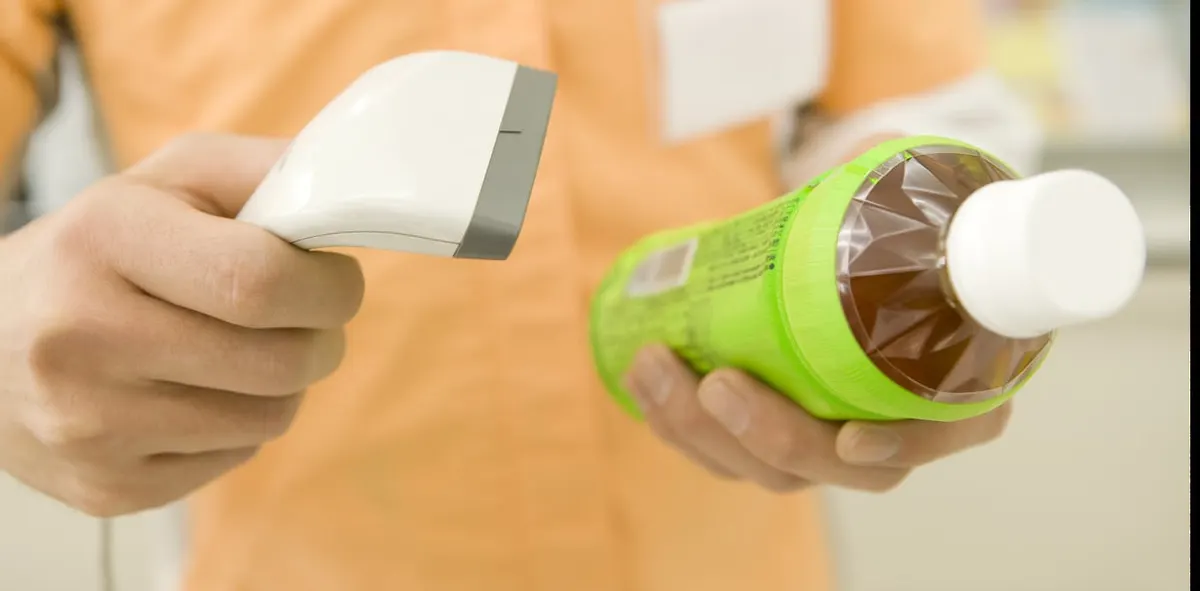
Health and safety is one of the biggest concerns for retailers of food, drinks and cosmetics. In a linear supply chain, compliance with regulators is relatively simple. Each product package, whether it’s a shampoo bottle or a ready-made curry tray, has to have a unique label in case there is a bad batch that must be recalled due to an unlabelled allergen or bacterial contamination. Packaging can be marked once when it’s filled and then discarded. But for a circular economy, there needs to be a way to relabel different batches of products distributed in the same container.
Nivea launched a refill station for shower gel in Hamburg, Germany in 2020. Customers return their shampoo bottle, refill it in the shop, and a machine prints out a sticker to identify the product batch. This still assumes customers will do much of the work, including adding and removing stickers to ensure their reusable product meets health and safety requirements.
Ensuring that everyone can easily reuse products will…
Source: theconversation.com