A research team has shown that ultraviolet-visible spectrophotometry can estimate the nanoscale thickness of thin polymer films without physical profilometry — a finding with direct relevance to anyone specifying water-soluble and wash-off label constructions, where film thickness governs how a coating behaves in water, on a press and on a recycling line.
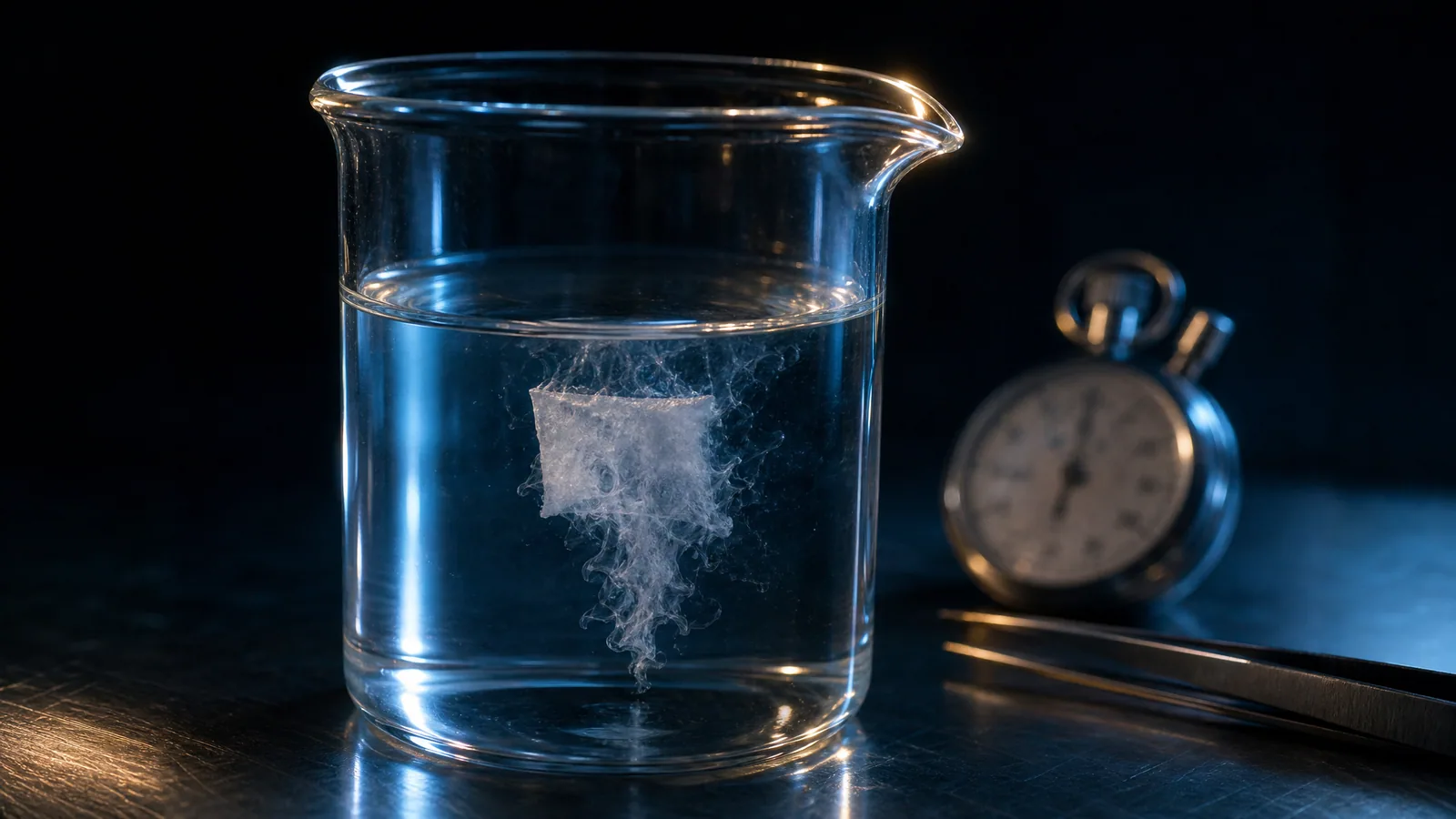
The work, reported by Bioengineer.org, covered four water-soluble synthetic polymers: polyvinyl alcohol, polyethylene glycol, polyacrylamide and polyvinyl acetate. For label buyers, the polyvinyl alcohol result is the one to watch, because understanding how polyvinyl alcohol dissolves begins with knowing how much of it is actually on the substrate.
What the researchers measured
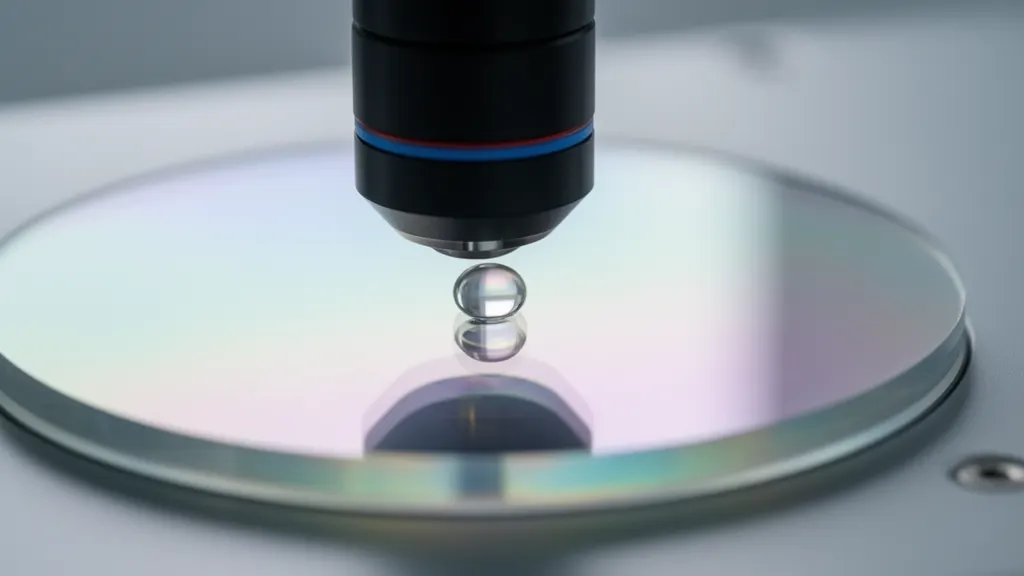
The team deposited thin polymer coatings onto standard glass substrates and read absorbance, transmittance and reflectance across a 340 to 540 nanometer wavelength spectrum. From those optical readings they derived essential optical constants and correlated them with polymer concentration, film thickness and wetting properties.
The motivation is practical. Coating performance depends heavily on film thickness, which in turn dictates optical, mechanical and barrier characteristics. Existing options — microbalance methods, electrical testing, radiation-based tools and chemical analysis — can monitor thin layers, but their cost and complexity often keep them out of routine testing. An optical, non-destructive estimate offers an accessible alternative.
Each polymer was dissolved in distilled water at ten concentration levels, from 20 grams per cubic decimeter to 110 grams per cubic decimeter, stepped in increments of 10. Because one gram per cubic decimeter equals one gram per liter, the range spans a wide band of solute concentration. Masses were verified on a digital analytical balance before the specimens were prepared.
The four polymers were chosen for their different chemical backbones: polyvinyl alcohol, a synthetic resin widely used in textile and paper treatment and notable for not being synthesized directly from single-unit precursor monomers; polyacrylamide, a water-soluble acrylic polymer used extensively in municipal and industrial wastewater treatment; polyethylene glycol, a versatile polyether with agricultural and medical applications; and polyvinyl acetate, a rubbery synthetic polymer with the molecular formula C4H6O2. Comparing them let the researchers examine how structure and chain mobility influence film growth and surface energetics.
Why wetting matters as much as thickness
The study pairs thickness with wetting behavior, and that pairing is the useful part for converters. A water-soluble label has to do two jobs that pull in opposite directions: stay put through a normal service life, then release cleanly and quickly when the wash cycle begins. Both depend on the coating's surface energetics and on how uniformly the polymer film sits on its substrate.
If film thickness varies across a web, dissolution time will vary with it. That is the mechanism behind the complaints label buyers actually file — a patch of adhesive or varnish that lingers on a bottle after washing, or a backing that breaks up too early on a wet line. The optical approach described here does not solve those problems by itself, but it gives formulators a cheaper way to see the variation in the first place.
Our read for label specification
The immediate takeaway for buyers is not a new product but a reminder about specification discipline. When a supplier quotes a wash-off or water-soluble construction, the meaningful variables are coat weight, film uniformity and the wetting behavior of the coated surface — not a single nominal thickness figure. Tools that make those variables easier to check routinely tend to move specifications away from round numbers and toward tolerances.
Second, the choice of polymer chemistry is a specification decision, not a commodity one. The study treats polyvinyl alcohol, polyacrylamide, polyethylene glycol and polyvinyl acetate as distinct systems with different chain mobility and surface behavior, and that distinction shows up downstream in wash temperature, dwell time and residue. Buyers specifying for a recycling line should ask which chemistry is in the coating and what the dissolution profile looks like across the concentration range the supplier actually runs.
Third, regulatory and sustainability pressure keeps pushing brands toward paper-based and washable packaging, which raises the value of any measurement method that can be done in-house without radiation sources or profilometers. Cost and complexity have restricted routine thin-film testing; optical spectrophotometry lowers that barrier.
For our part, the practical question we would put to any water-soluble label supplier is simple: can you show the thickness and wetting data behind the dissolution claim, and does it hold across the full concentration range you run? A study like this one suggests the data is obtainable. Whether it is routinely obtained is a different matter.
Source: Bioengineer.org