The disposable containers, cups, lids, and utensils that U.S. restaurants hand out add up to nearly 9 million tons of waste a year — about the weight of 25 Empire State Buildings — and close to four-fifths of that comes from takeout and delivery, according to the nonprofit Upstream's Reuse Wins report.
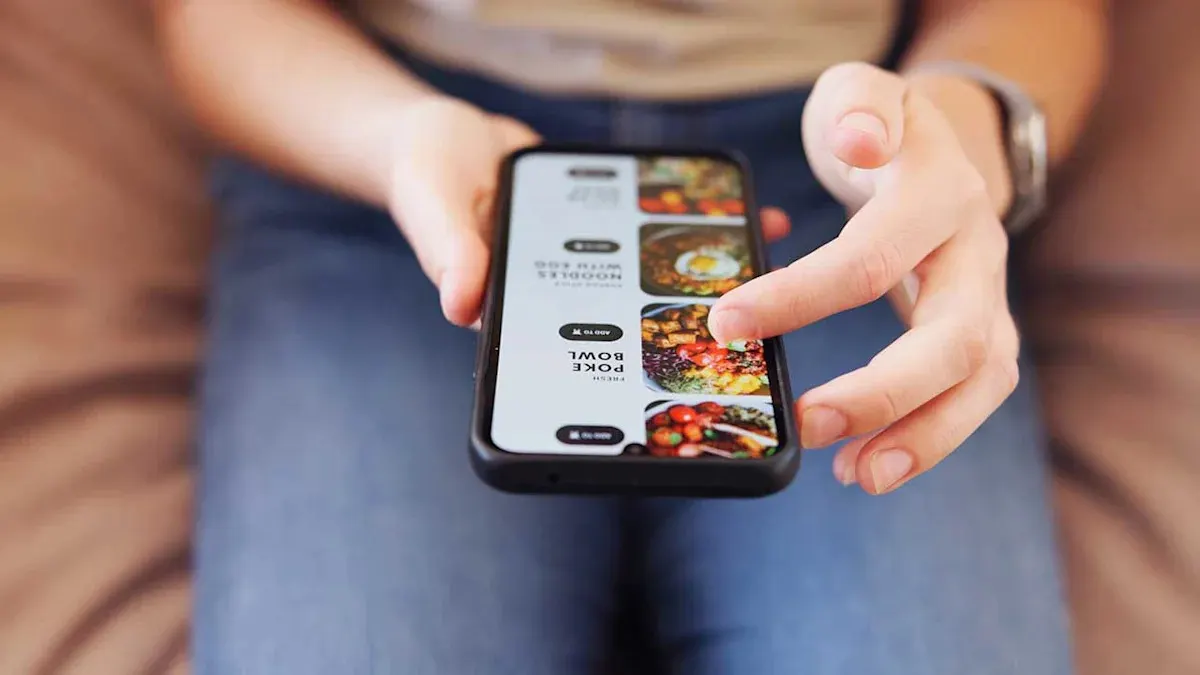
A few years ago, two apps set out to shrink that pile by letting diners rate restaurants on their packaging. PlasticScore and Jybe each asked diners to score takeout packaging, ranking restaurants by how much single-use plastic and foam they handed out. The rating model leaned on a hard requirement: enough reviews in a given area to make the scores useful. In most cities that critical mass never arrived, and the apps stalled.
Today both have disappeared, but a different approach has taken hold: services that replace throwaway containers with reusable ones you borrow and return.
The services gaining ground focus on durable containers built for repeated use. You order takeout in a reusable container, often a BPA-free polypropylene rated for around 1,000 uses, and return it to any participating location, and the operator washes it and puts it back into circulation.
The environmental payoff depends on how often each container is used. A University of Michigan life-cycle study, published in Resources, Conservation & Recycling in 2023, found that the environmental impact of reusable containers break even compared to single-use packaging after between 4 and 13 uses: about 4 to 6 uses to offset the extra greenhouse gases from manufacturing them, and 8 to 13 to offset the added energy involved in reuse. However, researchers said there is a catch — if even 5% of customers drive dedicated trips solely to return containers, the reuse system's emissions can climb past those of single-use.
Reuse pays off when containers stay in circulation and returns fold into trips people already make. Upstream's analysis puts break-even points across materials anywhere from 2 to 122 uses, with steel, glass, and ceramics good for thousands.
DeliverZero is in transition. The most established U.S. app launched in New York in 2019 and let diners add reusable containers to Uber Eats, DoorDash, Grubhub, and Toast orders for about $1, then return them to any participating restaurant. At its peak it reported a return rate near 98% across roughly 300 restaurants in New York, the Denver–Boulder area, Los Angeles, and the Bay Area. In 2025, food-locker company Minnow Technologies acquired DeliverZero and paused its operations to rebuild the platform; as of mid-2026 the companies describe…
Source: yahoo.com