Canadians embrace single-use plastic bans as reusable bag use climbs
California agriculture coalition calls for SB 54 repeal
Ecosurety questions Defra’s delay to flexible plastic collections in England
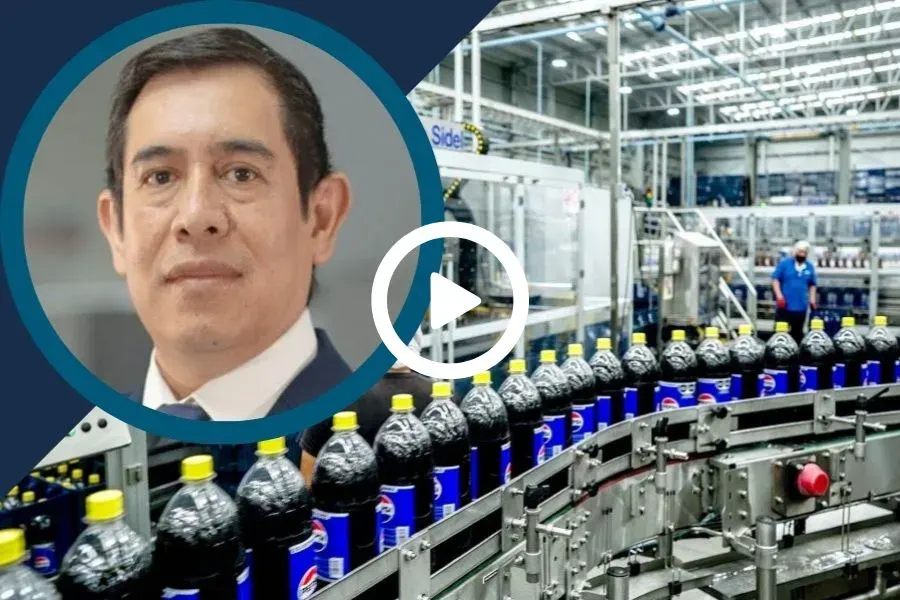
Packaging Insights speaks to Asencion Sanchez, account manager at Sidel Mexico, about beverage container material, reuse demands, and how these demands translate into Sidel’s Mexico operations.
Sidel Mexico recently supplied Grupo Gepp, PepsiCo’s exclusive bottler in the country, with expanded returnable PET and glass bottling lines.
What can you tell us about Sidel Mexico’s operations and the national beverage market landscape?
Sanchez: Sidel Mexico is part of the Americas’ customer management, and we serve in Mexico as a commercial and services office. We are located in Guadalajara, Mexico, and employ close to 300 people.
Sidel Mexico services customers from Mexico to Ecuador, while the rest of the countries in Latin America are managed by our Sidel Brazil office.
What are Sidel Mexico’s latest returnable glass solutions and washers?
Sanchez: Sidel’s EvoFILL Glass (a probe filler) and Hydra bottle washer are last-generation solutions for glass and plastic returnable bottles. They combine hygiene, flexibility, and performance.
The filler enables high-speed filling of up to 80,000 bottles per hour. It reduces product waste, removes the need for chilling with high-filling temperature capabilities, and delivers major savings in energy, water, chemicals, and CO2.
The Hydra bottle washer is a high-speed double-end washer, able to process up to 120,000 bottles per hour. The bottles can be used for beers, juices, water, and other drinks. It also provides gentle handling, efficient rinsing, and product quality.
How significant is consumer demand for returnable packaging in Mexico and Latin America overall?
Sidel Mexico discusses returnable PET and glass bottle growth.Sanchez: In Latin America, as in other parts of the world, sustainability in packaging is trending. Consequently, there are now more requests from customers for returnable and glass bottles, as well as regulatory pressure from the government. The government is requesting more environmentally friendly solutions, and as a result, companies and brand owners are adopting returnable solutions to reduce waste and carbon footprint, especially with returnable packaging.
We observe a significant trend in returnable packaging compared to other packaging types — we expect a 5–6% increase between 2025 and 2033. But for producers, this is difficult. They are facing challenges because the process of…
Source: Packaging Insights