
Technology
What actually happens in the water
A water-soluble label is not a trick coating. It is a polymer that has been engineered to give up its own structure at a temperature you choose. Here is the mechanism, the variables, and how we prove it.
The dissolution mechanism
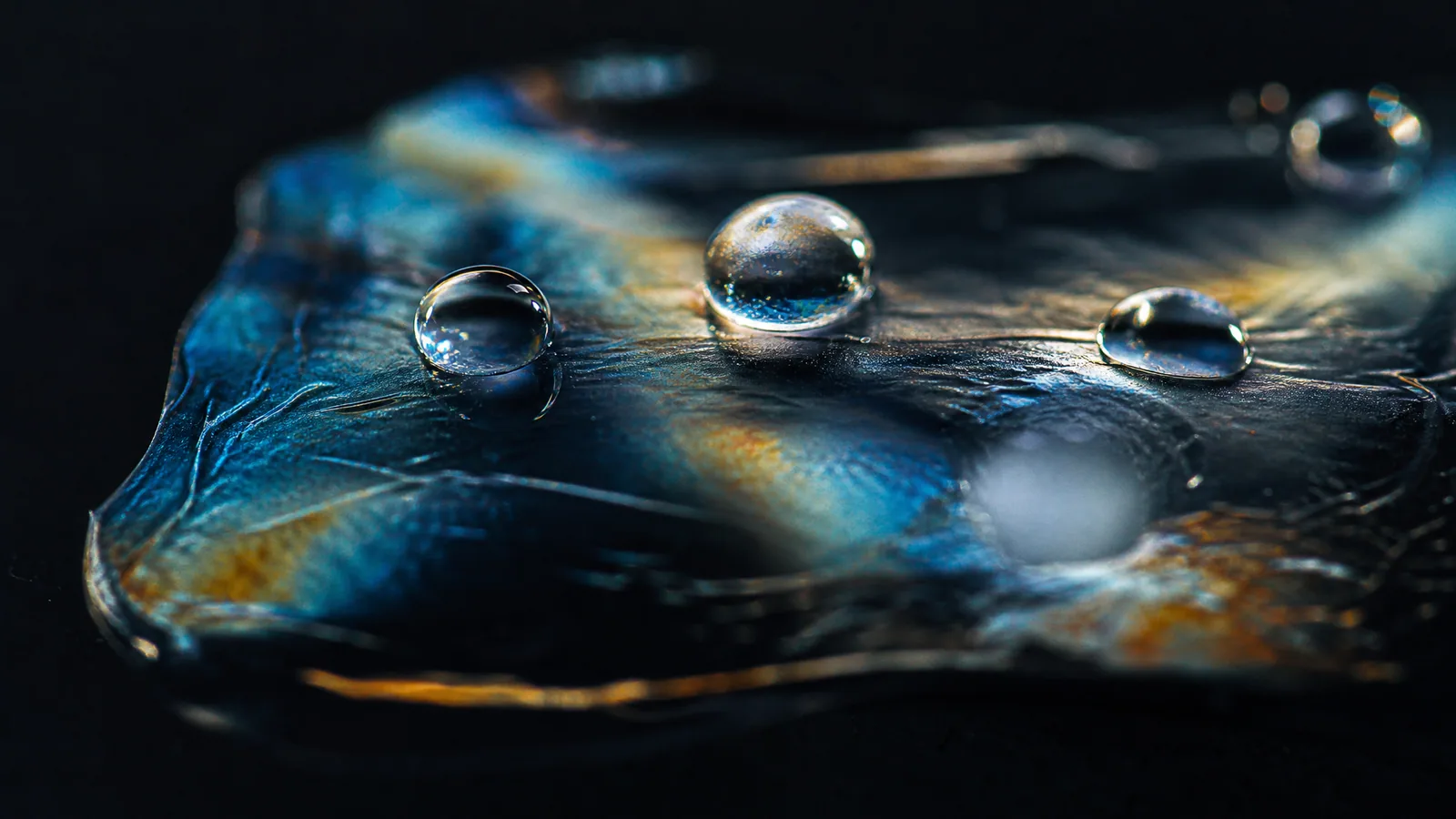
Polyvinyl alcohol dissolves in four overlapping stages. The formulation controls how fast each one happens — which is how a single chemistry can be tuned anywhere between 5 °C and 90 °C.
Wetting
Water reaches the surface and penetrates the coating. Surface energy and any topcoat decide how quickly this starts.
Hydration
Water molecules hydrogen-bond to the hydroxyl groups along the PVA chain, forcing the polymer network apart from the inside.
Disentanglement
Swollen chains slide free of each other. The sheet loses cohesion here — this is the moment a wash-off label releases in one piece.
Dispersion
Individual chains leave into solution. Nothing settles, nothing films, and the polymer biodegrades downstream.
Technology
Choosing the dissolution window
The single most important decision. Set it too low and the label fails in condensation; too high and your wash line will not release it. Drag to see how each grade behaves.
Wash-off, fully soluble, or conventional?
Three different answers to the same question. They are not interchangeable — the right one depends on whether your line can screen solids and whether the adhesive may enter the water.
| Conventional PSA | Wash-off | Fully soluble | |
|---|---|---|---|
| Removal method | Soak, scrape or blast | Alkali bath releases the label whole | Everything goes into solution |
| Adhesive fate | Stays on the container | Stays with the label | Dissolves with the face stock |
| Line residue | Fibre, adhesive, ink | Whole labels, screened out | None |
| Caustic consumption | High | Reduced | Low or none |
| Best for | One-way packaging | Returnable glass at scale | Crates, kegs, vessels, kitchens |
How we prove it
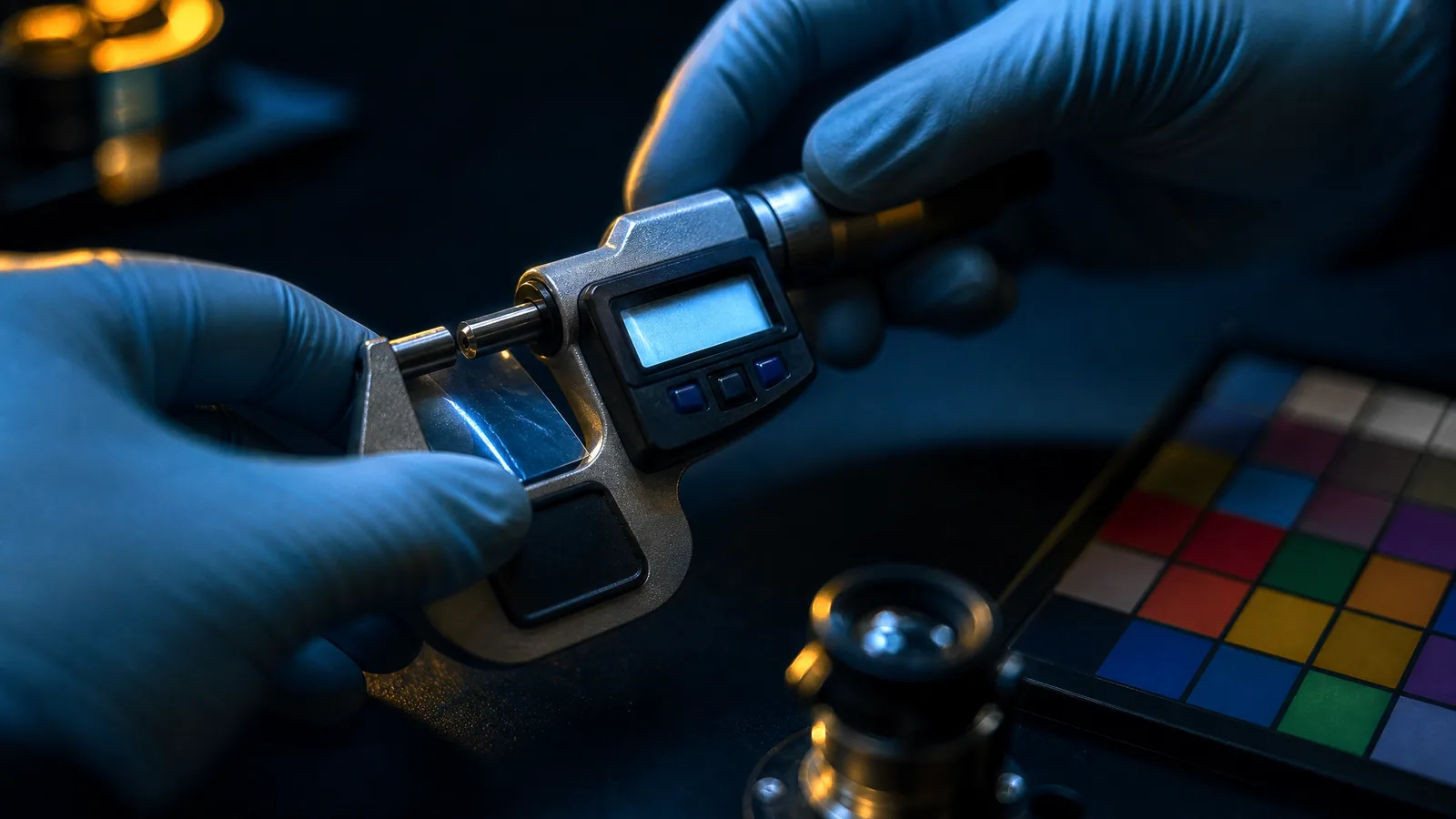
A dissolution claim is worthless without the conditions attached. Every batch is run against the parameters you supply, and the certificate travels with the goods.
Bath simulation
Your temperature, your caustic concentration, your agitation. Timed to full release, recorded on video for the first article.
Condensation survival
24 hours in ice water at 1 °C with the label under load, to confirm it will not lift in your cold room.
Ink and residue check
Bath filtered and the glass inspected under raking light for adhesive ghosting or ink bleed.
Batch certificate
Release time, temperature, concentration and operator, signed and filed against the production lot.
Straight answers
Will it come off in the rain or in a chiller?
Can I print it on my existing press?
What happens to the polymer after it dissolves?
Is it food safe?
How is it different from ordinary wash-off labels?
What is the shelf life of the material?
Request a sample
Send us the hardest label on your line
Tell us the container, the wash chemistry and the temperature. We will tell you honestly whether a water-soluble label is the right answer — and prove it with a sample.
Free samples · 7-day turnaround · NDA on request