Croatia has delayed the expansion of its deposit return scheme packaging rules, pushing the start date beyond the original 1 January 2027 target. For brand owners and label buyers exporting into the Croatian market, the change means more time to prepare — but it also signals that regulators and businesses are still working through practical questions about how new packaging types will be labelled, collected and processed.
The Ministry of Environmental Protection and Green Transition agreed to the delay after businesses asked for more time to prepare, according to Dnevnik Nova TV. The revised timetable sets 30 June 2027 for small bottles with a capacity of 0.2 litres, with Tetra Pak packaging scheduled to follow on 30 September 2027.
What the expanded system covers
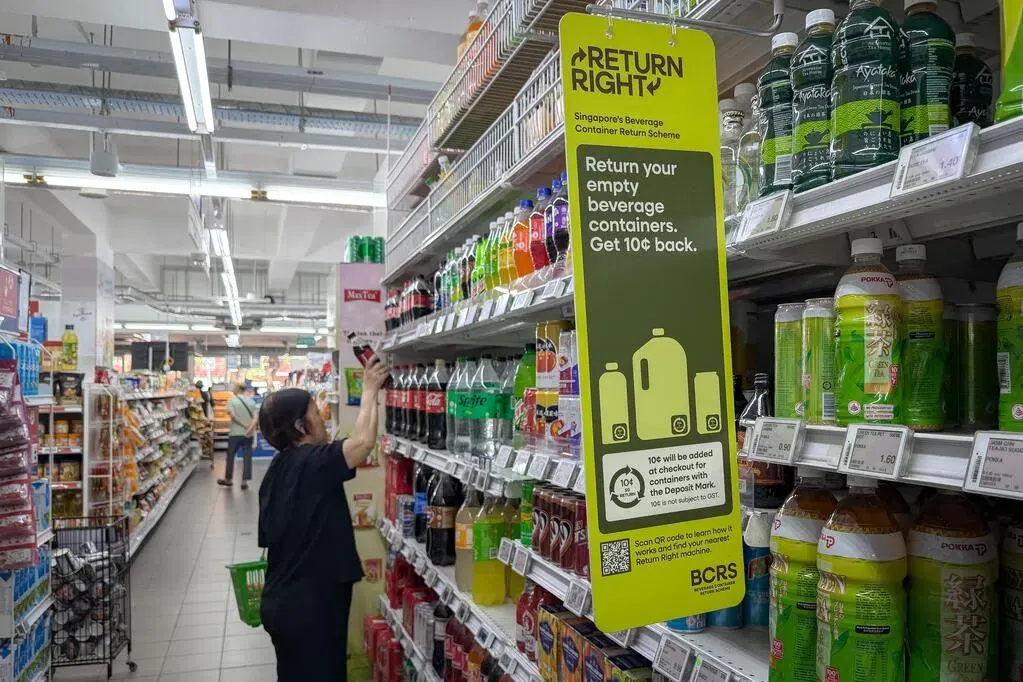
The expansion brings additional packaging types into Croatia's deposit return scheme packaging system, including milk and other dairy products in cartons, as well as additional types of plastic packaging. Consumers will pay a refundable deposit of €0.10 for each eligible item once the new rules take effect, and the money will be returned when the empty packaging is handed in at an authorised collection point.
The ministry expects the expansion to bring approximately 400 million additional packaging items into the scheme. The stated aim is to increase recycling and reduce the amount of packaging ending up in mixed household waste or the environment. Further regulatory changes are being prepared, with public consultation to follow.
Why businesses asked for more time
The delay reflects two separate pressures. Manufacturers need time to adapt product labels and packaging, while retailers must prepare for collecting and handling additional types of containers.
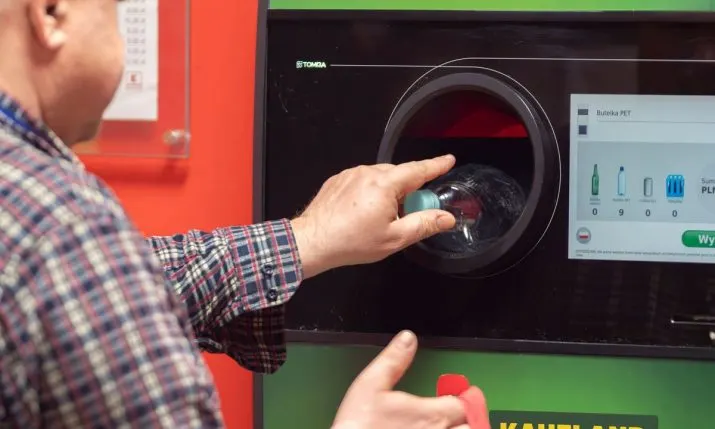
Tetra Pak cartons present a particular challenge, because they cannot be processed through many existing reverse vending machines and may need to be collected manually. There are also open questions about how very small bottles can be labelled to meet the requirements. Those are not trivial details for anyone specifying label stock: a deposit return scheme packaging system depends on labels that survive handling and collection while still allowing the container to be identified and, where relevant, recycled cleanly.
What this means for label specification
For exporters and converters watching the Croatian timeline, the most useful reading is that deposit return scheme packaging rules are becoming a design constraint, not just a compliance box. The delay does not remove the requirement — it simply shifts the deadline and gives specification teams a longer window to test materials against the new collection and processing conditions.
Three areas deserve attention. First, carton formats: because Tetra Pak cartons may need manual collection rather than reverse vending handling, label and closure choices should be checked for how they behave through less automated recovery routes. Second, small-format bottles: the labelling questions flagged in Croatia are a reminder that reduced label area limits how much regulatory and return information can be printed, which affects material and adhesive selection. Third, adhesive and wash-off performance: where containers enter a deposit return scheme packaging stream, labels that release cleanly during washing help keep recycled material free of contamination, while labels that remain firmly attached suit containers intended for reuse or manual sorting.
None of this is unique to Croatia. Deposit return schemes are spreading across Europe, and each expansion tends to add packaging types that were previously outside the system — cartons, small bottles, and formats that existing collection equipment was not built for. Buyers specifying labels for multiple export markets should expect more of these phased deadlines and more requests from customers to demonstrate that a label choice is compatible with a given recovery route.
The practical takeaway from the Croatian postponement is that the preparation window is real but finite. Brands with carton or small-bottle lines aimed at Croatia should use the additional months to confirm label specifications against the revised dates, rather than treating the delay as a reason to defer the work.
As a general industry observation, the Croatian case illustrates how recovery infrastructure and label specification are becoming linked. Where collection is manual, label durability and legibility matter more. Where containers are washed for recycling, adhesive behaviour matters more. The right answer depends on the route the packaging will actually take — and that route is now being defined by regulation, not only by the brand owner.
Source: croatiaweek.com