Delhi's environment ministry has asked officials to draft a detailed implementation proposal for a deposit return scheme packaging system covering plastic bottles and empty gutka and khaini packets, Environment Minister Manjinder Singh Sirsa said on Wednesday. For packaging buyers and label specifiers, the signal is straightforward: the Indian capital is moving toward a framework where the fate of a package after use becomes part of its design brief, not an afterthought.
The proposal was discussed at a meeting chaired by Sirsa with senior Environment Department officials. According to the report, the government is studying deposit-refund models already running in Himachal Pradesh and other states before designing a system suited to Delhi's urban conditions. The department has been given one month to prepare the detailed proposal.
What the scheme would actually require
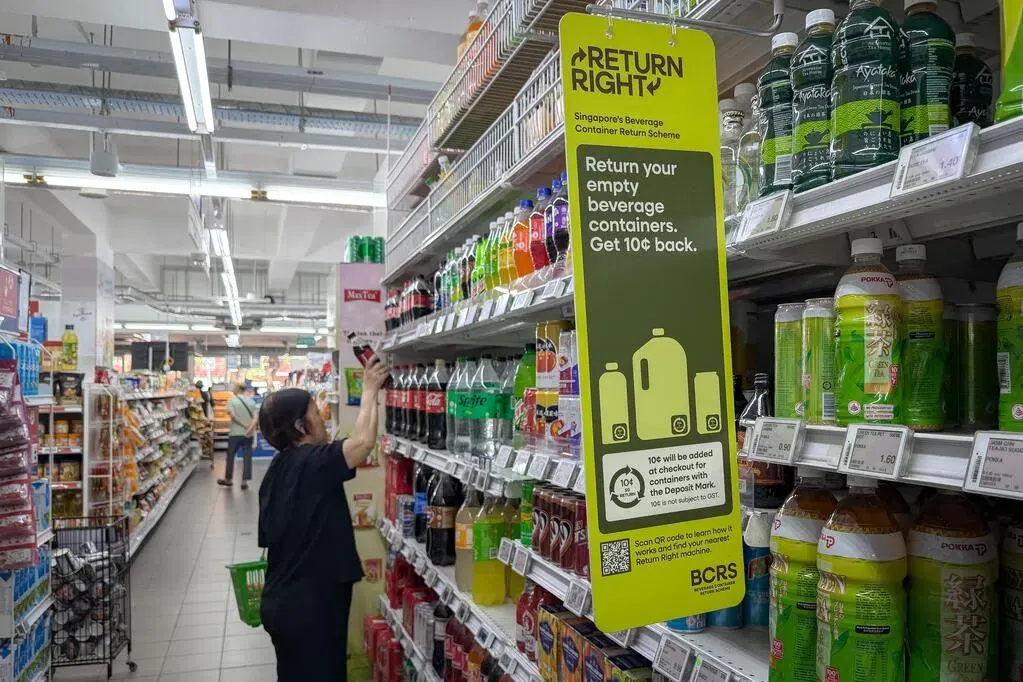
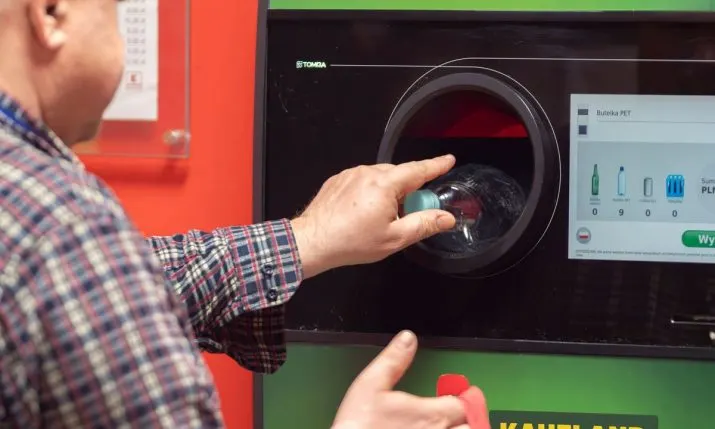
Under a deposit return scheme packaging model, consumers pay a small additional amount at the point of purchase. That deposit is returned when the empty bottle or packet is handed in at a designated collection centre or to an authorised retailer. Delhi's version may include tobacco-product packaging in its initial scope alongside plastic bottles.
The department's proposal is expected to examine three practical questions: the amount collected and refunded, which agencies would operate the system, and the roles of retailers, manufacturers and waste-collection organisations. A phased rollout is also on the table.
The stated aim is to push consumers toward returning used packaging rather than discarding it in public spaces. Separate collection, the government expects, would improve recovery and recycling of reusable waste and reduce the volume entering drains and water bodies. Sirsa has also raised concerns about plastic waste being openly burned, which can contribute to air pollution.
Several details remain open. The exact products covered, the deposit value and the number of collection points have not been decided, and are expected to be settled in the department's implementation proposal. The scheme is therefore not yet an operational citywide programme.
The international benchmark being cited
The report said officials pointed to similar systems in Goa, Himachal Pradesh and Uttarakhand, and to deposit-refund schemes operating in more than 40 countries, with some systems recording packaging-return rates above 90 per cent. Those figures were presented as part of the government's review of possible models. Their applicability to Delhi will depend on the final design, the density of the collection network and enforcement arrangements.
For residents, the practical impact would hinge on whether return points are convenient, whether retailers and manufacturers participate, and how the deposit is administered. The proposed framework is intended to clarify those responsibilities before anything is implemented.
Why label buyers should watch the design phase
A deposit return scheme packaging framework changes what happens to a container after the deposit is claimed, and that is where label construction starts to matter. Bottles collected through a return network are typically processed in higher volumes and with more scrutiny than mixed municipal waste, so anything that interferes with washing, de-inking or flake quality becomes a visible cost to the recycler rather than a hidden one.
For pressure-sensitive labels, the practical questions are familiar ones. How completely does the adhesive wash off in a caustic wash line? Does the facestock disperse, sink or float in a way the recycling line can handle? On returnable or refillable formats, does the label survive repeated handling and washing without edge lift, and can it still be removed cleanly at end of life? These are specification decisions, and they are easier to make early, while a scheme is still being drafted, than after collection infrastructure is fixed.
The Delhi case is still at the study stage, with coverage, deposit value and collection points all undecided. But the direction of travel is consistent with what buyers in export markets are already asking for: packaging that can be returned, sorted and reprocessed without the label becoming the reason a batch is downgraded. For converters and brand owners supplying into markets that adopt such systems, matching adhesive and facestock choice to the intended recovery route is likely to become a standard part of the artwork and specification conversation rather than a specialist request.
We will continue to track how the Delhi proposal develops once the department submits its implementation plan.
Source: urbanacres.in