Croatia will bring drinks cartons, non-PET plastics and small containers into its 10-cent deposit return scheme on 1 January 2027, a change that will push brand owners and their label suppliers into re-specification work well before the deadline. For packaging and label buyers, the practical impact is less about the deposit itself than about what the expanded deposit return scheme packaging rules demand of the label, the barcode and the container surface underneath them.
What changes on 1 January 2027
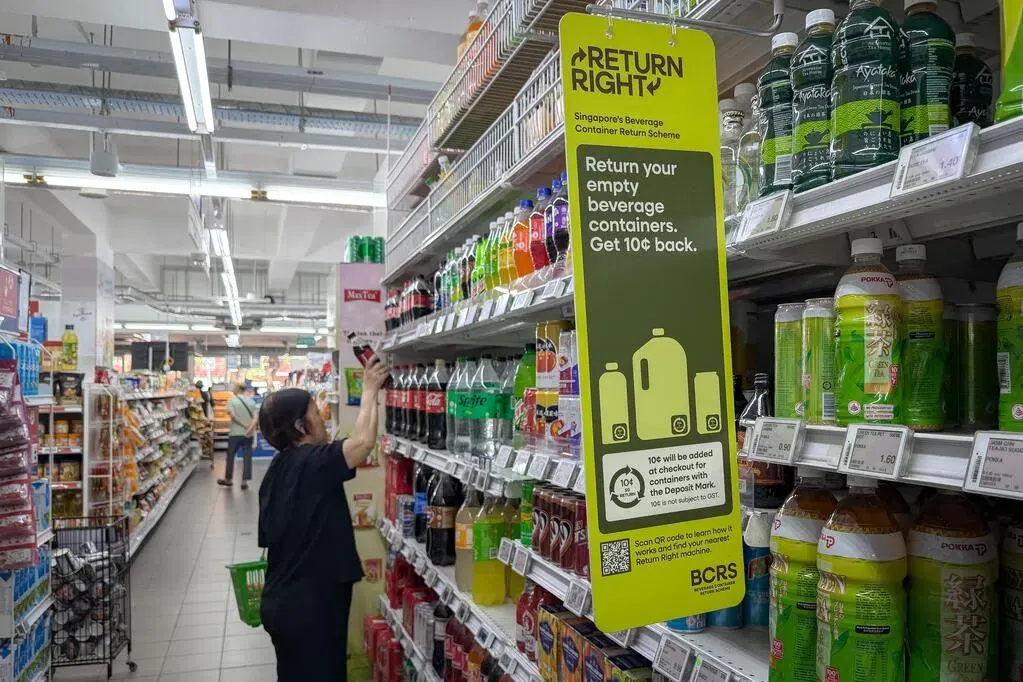
The scheme currently accepts eligible PET plastic bottles, glass bottles and metal cans, with a deposit of 10 cents per item that consumers pay at purchase and reclaim by returning the empty packaging through the established collection system.
From January 2027 the scope widens in three directions:
- Drinks cartons and multi-layer packaging. Packaging with a predominantly paper and cardboard component, such as Tetra Pak cartons, becomes eligible.
- Non-PET plastics. Other plastic packaging not made from PET, including HDPE packaging, is added.
- Smaller containers. The present volume window of 0.2 to three litres is extended downward, so packaging below 0.2 litres is also covered. The system will then accept drinks packaging of up to three litres regardless of whether it falls below the previous minimum threshold.
The deposit stays at 10 cents per eligible item.
Retailers and manufacturers must prepare
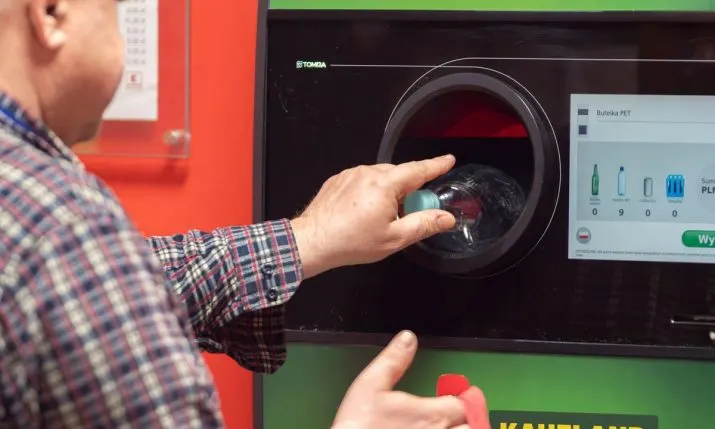
The extract flags two operational pressure points. Retailers have raised concerns about whether existing reverse vending machines will be suitable for collecting drinks cartons, which could mean some packaging has to be accepted manually rather than through automated take-back.
For drinks manufacturers, the requirement is more direct: product labels and barcodes will need to be adjusted to meet the requirements of the expanded system. That is the part that reaches the label supply chain, because a barcode change is rarely a barcode change alone. It usually means a new artwork revision, a new plate or digital file, a fresh proof cycle and a re-qualification of how the label behaves on the line and on the pack.
Croatia frames the changes as part of wider efforts to increase packaging collection and recycling. The direction of travel is consistent with deposit return scheme packaging policy elsewhere in Europe: widen the material net, lower the size floor, and make the collection stream responsible for more of what households used to discard.
What this means for label specification
Our reading of the market — not a claim about any role in the Croatian programme — is that the 2027 date sets a useful planning horizon for export-facing label buyers.
Cartons are the hard case. Multi-layer paperboard cartons are already difficult substrates: the surface is not a single homogeneous material, and the label or printed area sits above a laminate that recycling lines must separate. Where a wash-off or water-soluble label is used on a returnable or separately collected container, the adhesive has to release cleanly under the wash conditions the recycler actually runs, not the ones on the datasheet. Buyers specifying for carton-based formats should confirm with their converter how the adhesive behaves on coated board and whether residue remains after the wash step.
HDPE changes the surface, not just the resin code. HDPE containers often carry different surface energy and stiffness than PET, and the label stock and adhesive that performed on a PET bottle may not deliver the same lay-flat or release performance. This is a specification review, not a like-for-like swap.
Sub-0.2-litre containers squeeze the label. Small-format containers leave less room for artwork, barcode and any deposit or return marking, while the barcode itself must remain scannable after the change. Smaller faces tend to push buyers toward higher-opacity facestocks and tighter print registration.
Reverse vending machines set a hidden spec. If cartons end up being handled manually at take-back points, the label's durability through handling, storage and moisture exposure matters more than its performance in an automated reader.
The takeaway
Nothing in the Croatian announcement changes the deposit value or the collection principle. What it changes is the number of packaging formats that must now be labelled for a return stream — and the label is the component that carries the barcode, the branding and, in many cases, the recyclability claim. Buyers shipping into Croatia should treat mid-2026 as the point to lock artwork revisions, adhesive selection and wash-off validation, so that the 1 January 2027 start date is a compliance date rather than a scramble.
Source: croatiaweek.com