Every water-soluble label is defined by one number: the temperature at which it lets go. Get it right and the removal step disappears from your process. Get it wrong and you either lose labels in the cold room or spend longer scraping than you did before.
Start from the wash, not from the label
The temptation is to ask "how fast does it dissolve?". The useful question is the reverse: what is the lowest temperature the label will ever meet in service, and what is the temperature of the wash? The window has to sit between those two, with margin at both ends.
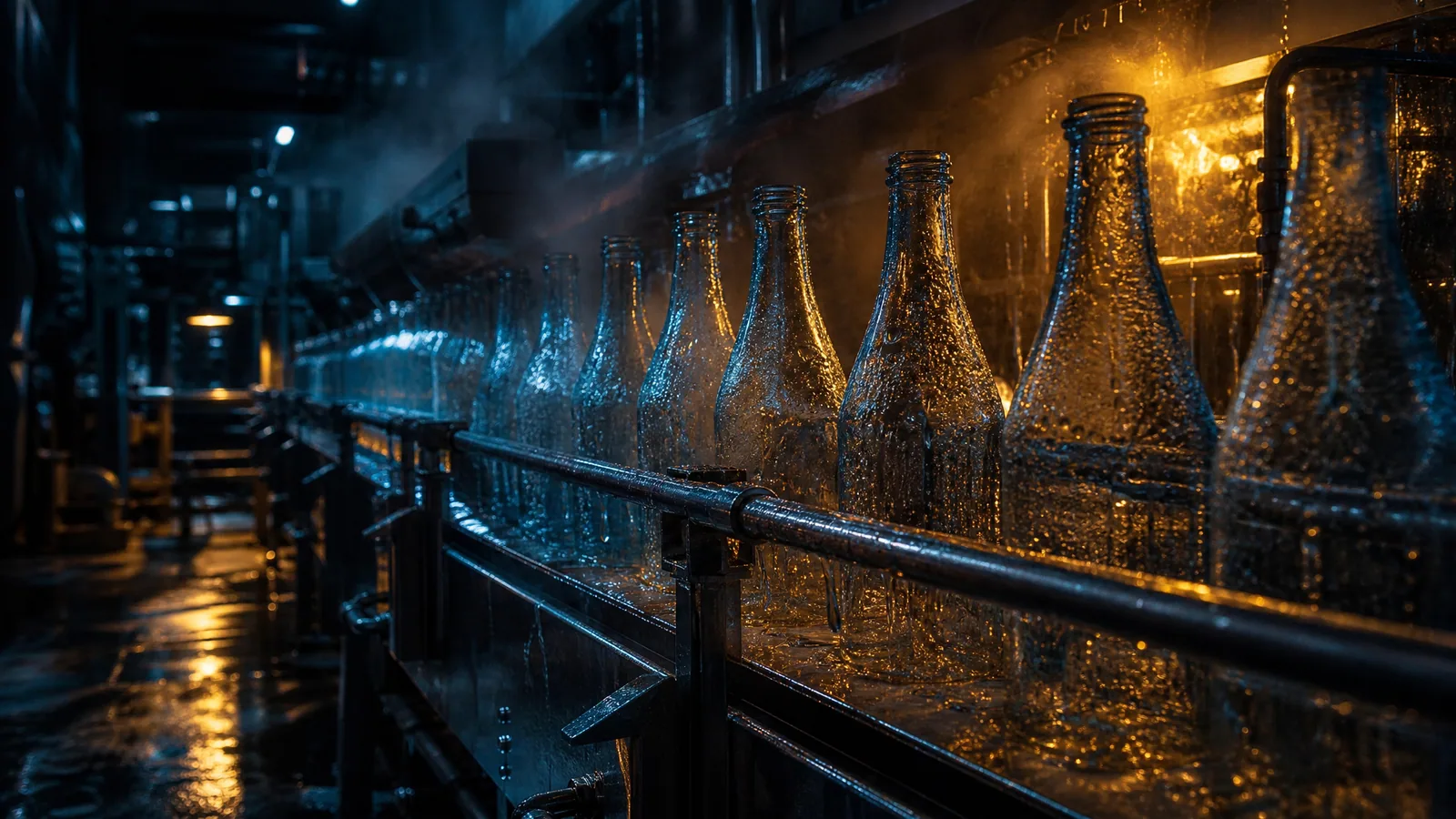
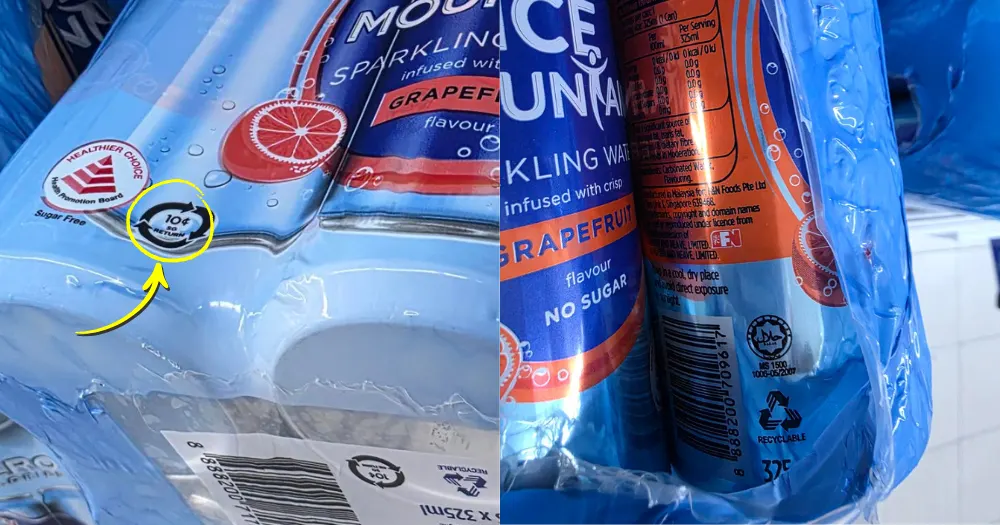
A returnable beer bottle is the clearest case. In service it sees a chilled cabinet, condensation, and possibly an ice bucket — call it 1 °C, wet, for many hours. In the wash it sees 60–85 °C with 1.5–3 % caustic soda. That is a very wide gap, which is why alkali wash-off constructions are comfortable there.
A plastic crate washed at 40 °C in plain water is much harder. The gap between "damp warehouse" and "wash" is small, so the formulation has to be sharper.
The three practical bands
- Cold, 5–25 °C. Fully soluble film and adhesive. Used where the container never gets cold or wet in service — chemical drums, kegs going straight back to the plant, laundry sachets.
- Warm, 30–55 °C. The general-purpose band: dissolvable paper, freezer grade, direct thermal. Survives chilled distribution, releases in a warm wash.
- Hot or caustic, 60–90 °C. Wash-off constructions for returnable glass at scale. Maximum resistance in service, complete release in the bath.
Two mistakes worth avoiding
Specifying from a lab number. A dissolution figure quoted without temperature, agitation and chemistry attached predicts nothing. Ask for the conditions; if they are not on the data sheet, they were not measured.
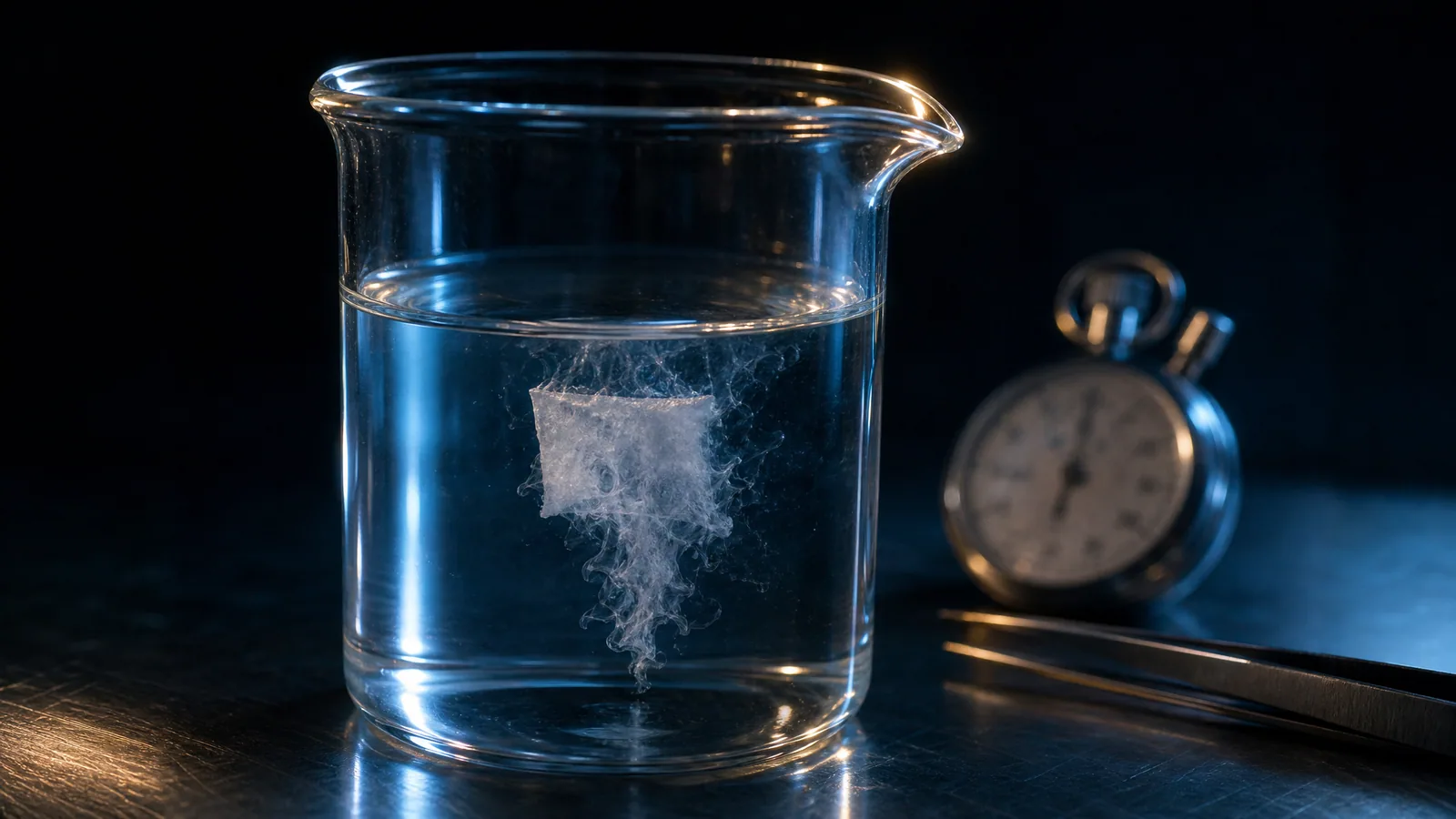
Forgetting agitation. A label in a still beaker and the same label in a bottle washer with spray jets behave very differently. Turbulence can halve release time. If your line is gentle, say so — it changes the formulation.
What to send a supplier
The container material and size, the wash temperature, the caustic concentration if any, the cycle time, and the coldest, wettest condition the label will see before that. With those five facts a construction can be specified properly. Without them you are buying a number that has no relationship to your line.