Brazilian researchers have developed a biodegradable biofilm made from the skin of an Amazonian fish, offering a potential alternative to plastic food packaging materials.
The material was created by scientists at the University of São Paulo and EMBRAPA Pecuária Sudeste using biopolymers extracted from tambatinga, a tropical freshwater fish. The study, supported by São Paulo Research Foundation (FAPESP) and conducted through its Food Research Center, was published in Foods.
Tambatinga is a hybrid of tambaqui (Colossoma macropomum) and pirapitinga (Piaractus brachypomus) and is widely farmed in Brazil. Its collagen-rich skin, which may contain elevated levels of amino acids due to the species’ tropical origin, was used to produce gelatin-based polymers intended to partially replace conventional plastic films used in food packaging.
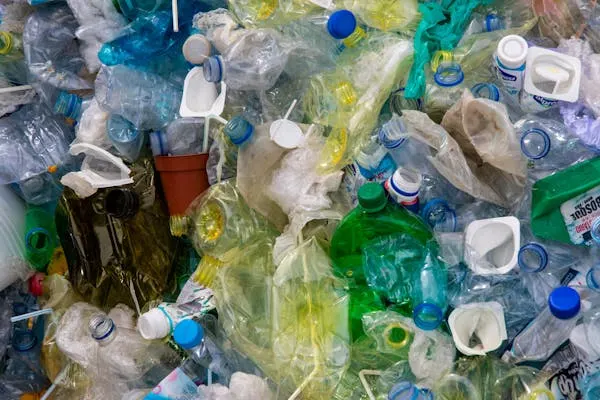
“We’ve been working for over 25 years on the development of films based on biopolymers, such as proteins and polysaccharides, with the aim of applying this material to food packaging and reducing the environmental impact, since there are many problems associated with the accumulation of synthetic packaging in nature,” said Paulo José do Amaral Sobral, food engineer and a professor in the Department of Food Engineering at the USP campus in Pirassununga.
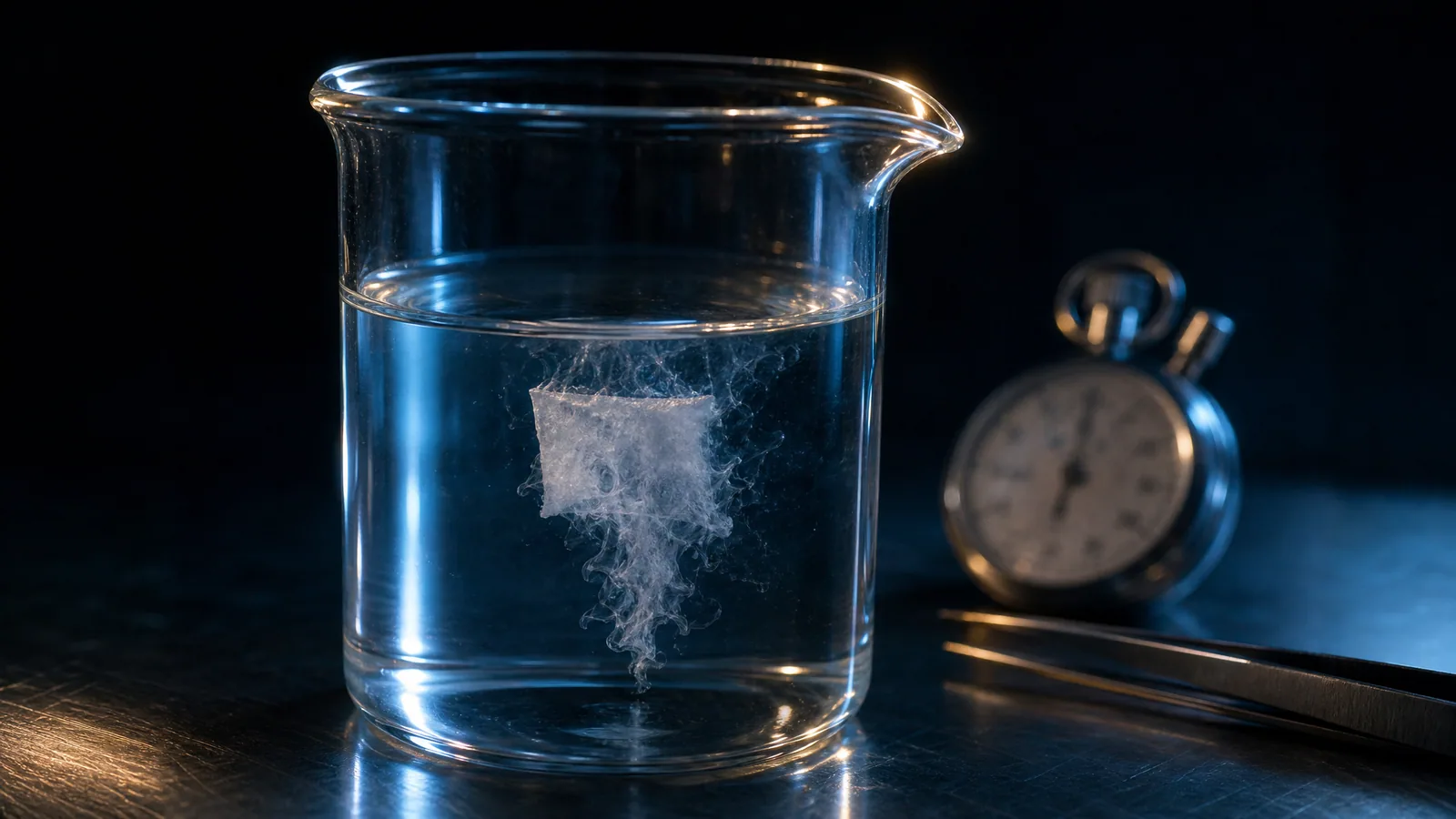
The researchers began by cleaning the fish skins and extracting gelatin using hot water and acetic acid to remove impurities. Films were then produced using two grams of gelatin for every 100 grams of film-forming solution, resulting in a transparent, flexible material with uniform surfaces.
Laboratory tests showed the biofilm to be mechanically resistant, with stronger ultraviolet light blocking capacity and lower water vapor permeability than other gelatin-based films described in scientific literature. The findings indicate that fish skin, typically treated as industrial waste, could serve as a renewable raw material for higher-value biodegradable polymers.
Microplastics in fish found in one-third of samples from remote Pacific islands
However, the researchers noted one limitation: the material remains sensitive to moisture. “For that reason, for now, they can only be used in dehydrated products, such as nuts and chestnuts,” said Sobral.
The researchers say further work is needed before the biopolymer derived from tambatinga skin can be used in commercial food packaging, pharmaceuticals or biomedical applications. They note that advancing the material could add economic value to aquaculture by creating new uses for processing byproducts and supporting a more…
Source: Global Seafood Alliance