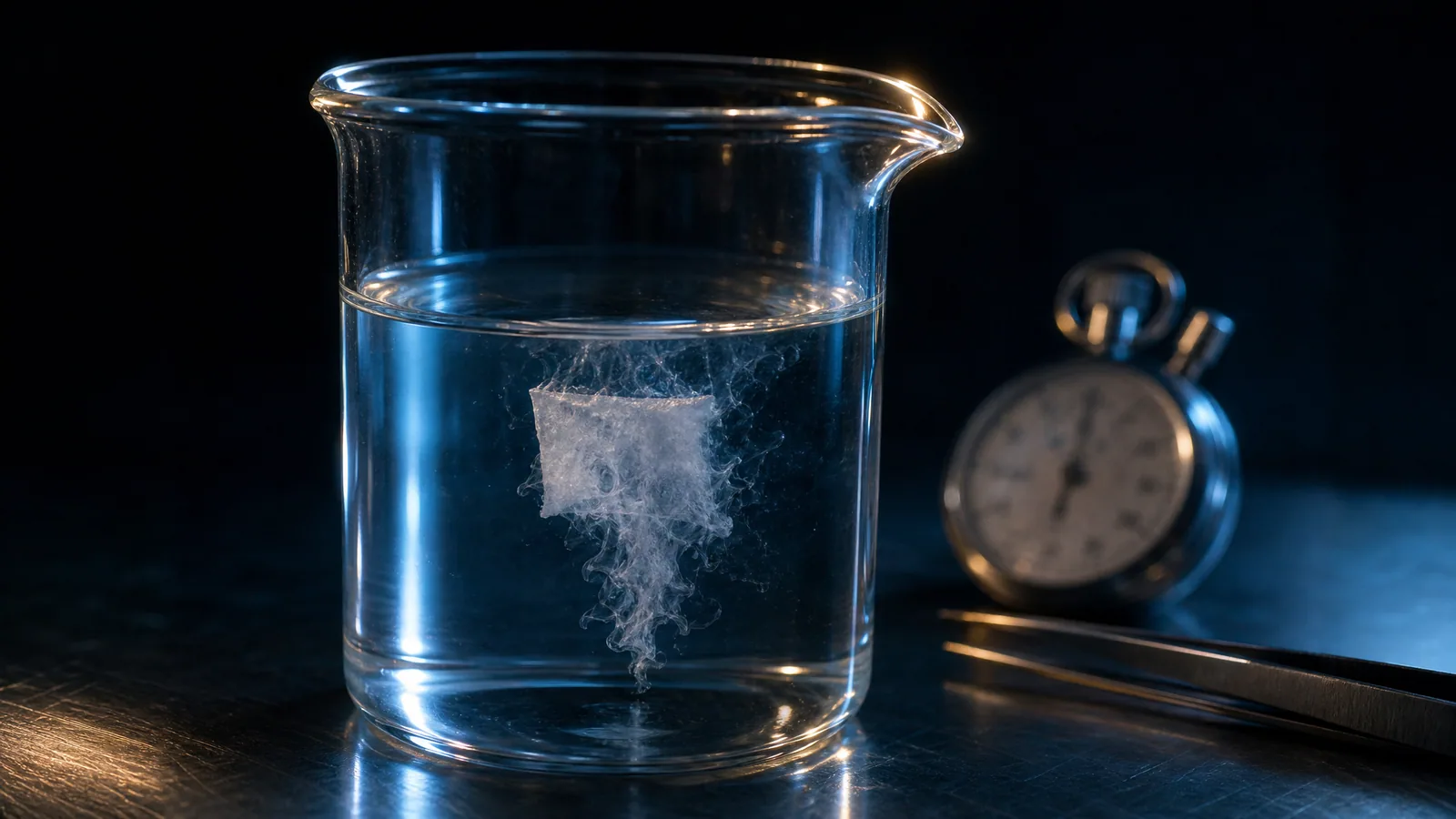
Imagine making a bowl of oatmeal or a cup of instant ramen noodles. You likely rip open a plastic package and fish out the little sachet of desiccant destined to be thrown away before pouring the rest of the contents into a bowl.
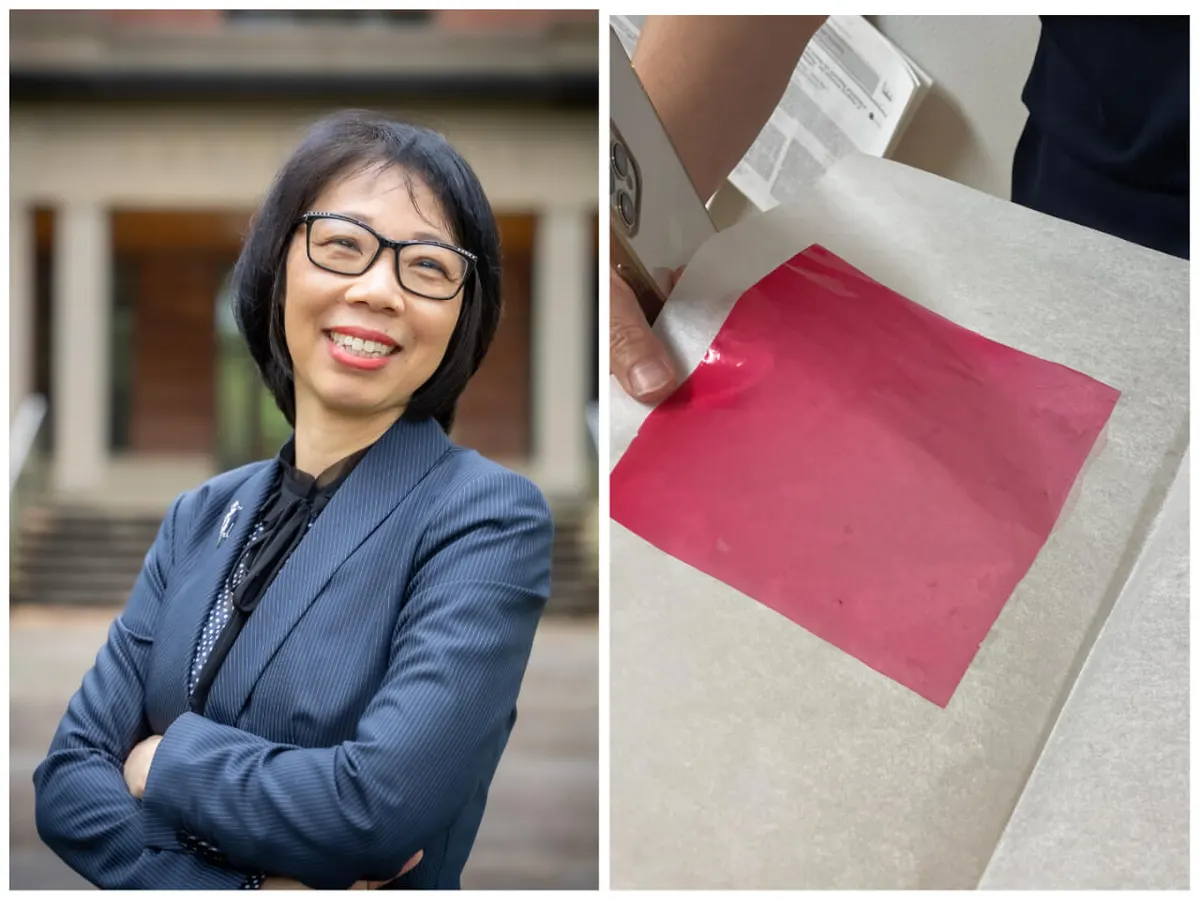
But what if you could toss the whole package directly into the bowl with your boiling water, saving yourself a bit of fuss and another piece of waste? Yanyun Zhao hopes we’ll see that option become more widely available soon.
Zhao, a professor of food science at Oregon State University, has researched material compositions and applications since 2008. That’s when cranberries first caught her eye. While visiting a juice company’s production facilities, she spotted the remains of pressed cranberries being carted off to use in animal feed or compost.
But to Zhao’s eye, the squashed berries still had a lot of value as a fibrous substance. “I brought some back to the lab, and in our weekly meeting, displayed it to the students,” says Zhao. She put a challenge out to her grad students and colleagues: What can we make with this? “You can imagine all sorts of ideas we came up with.”
Of all the ideas presented, creating a fibrous film that is edible, no-waste, anti-microbial and water soluble was the one that took off, and Zhao published her first paper on the subject 15 years ago. Since then, she’s continued to tweak and refine the formulation.
The film itself looks like a pale strip of fruit leather. It’s mostly tasteless, although there could be a version with a stronger flavor, as it’s completely edible. It’s made by taking the cranberry pomace—or the residue that’s left over once the juice has been pressed out—and mixing that with other food polymers. “When you’re making this film, you need stretch, you need elasticity, you need a lot of functionalities. So, we incorporate other functional food, like other carbohydrates, a little bit of glycerin,” Zhao explains. The end result is a moveable, stretchable, completely biodegradable film.
The film could someday replace traditional packaging materials, but that’s not the only factor that makes it so appealing. It’s also anti-microbial. The cranberry film can work as a replacement for film plastic, protecting fruits and vegetables with delicate skins, such as English cucumbers. Zhao says there could even be a version of the film strong enough to hold liquids, although that requires more study and experimentation.
Currently, Zhao is working on a version of the…
Source: modernfarmer.com